Afghan Support Network

The internet has become an essential part of our daily lives, offering convenience and connection at the click of a button. But with this ease also comes risk. Cybercriminals are constantly finding new ways to trick people into sharing personal and financial information. It’s more important than ever to stay informed and protect yourself.

Common Online Scams to Watch Out For:

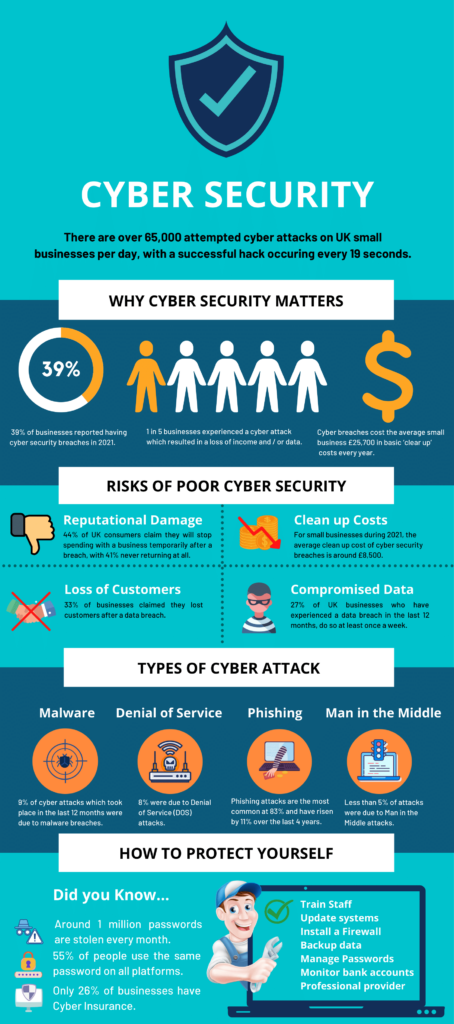
Cybercriminals use a variety of tactics to deceive people. Here are some of the most common scams you should know about:

  1. Fake Phone Calls:
    Imagine getting a call from someone claiming to be from your bank, a government agency, or even a tech support team. They sound urgent and might say things like, “Your account has been compromised,” or “We’ve detected a problem on your computer.” Their goal? To pressure you into sharing personal details or making payment. Remember, legitimate organizations rarely ask for sensitive information over the phone.
  2. Phishing Emails and Texts:
    These messages might look like they’re from your favorite online store, your bank, or even a friend. They often contain links or attachments and ask you to act quickly— “Click here to verify your account” or “Download this invoice now.” Clicking on these links can give criminals access to your data or infect your device with harmful software.
  3. Fake Websites:
    Have you ever landed on a website that looks almost identical to one you trust? Cybercriminals create these sites to trick you into entering your login credentials or credit card information. Often, the web address (URL) will have small differences, like “amaz0n.com” instead of “amazon.com.”
  4. Malware:Sometimes, all it takes is one click on the wrong link to install malicious software on your computer or phone. Malware can lock you out of your files, steal your passwords, or track your online activity without you knowing.
Community Cyber Scam Alert: Protect Yourself Online

In our community, cyber scams have become an increasing threat, leaving victims facing financial and emotional distress. One particularly devastating case involved a community member who fell victim to a phishing scam, resulting in over $2,000 being stolen from her bank account. After clicking on a fraudulent link, she was locked out of her account, and the scammer withdrew funds before she could take action.

Fortunately, ASN’s Community Engagement Specialist stepped in quickly, assisting her in freezing her account and working with the bank to recover some of the lost money. This incident serves as a critical reminder for all community members to remain vigilant about online security.

Cybercriminals are becoming more sophisticated, using fake messages, phishing emails, and WhatsApp scams to target individuals. Protect yourself by avoiding unknown links, verifying the identity of senders, enabling two-factor authentication, and regularly monitoring your accounts for suspicious activity.

Stay informed, stay safe, and report any suspicious cyber activity immediately to prevent further harm within our community. Together, we can fight back against cyber scams.


I clicked on a link in a WhatsApp message, and later discovered over $2,000 missing from my bank account. It was devastating..
Anonymous,
COmmunity Member

In our community, several members have experienced distressing cyber incidents:

After clicking on a link in a WhatsApp group, I lost access to my account. The scammers messaged my contacts, pretending to be me, asking for money. It was humiliating.
Anonymous,
COmmunity Member
I received a WhatsApp call from someone claiming to be a client. After the call, my account was compromised, and the scammer solicited money from my contacts.
Mr. Rahim
Business Owner & Community Elder
I clicked on a Zoom link in a WhatsApp message, and suddenly, I was locked out of my account. The hackers contacted my friends, asking for money. It was a nightmare.
Sister,
COmmunity Member

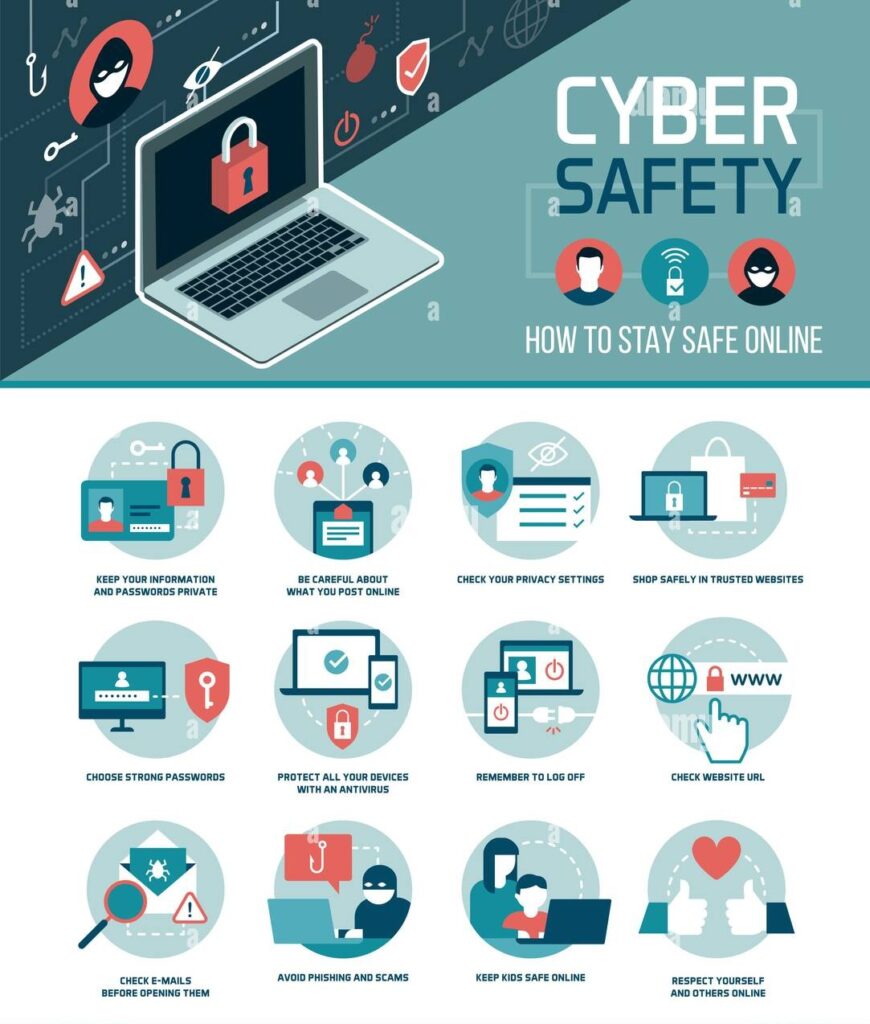
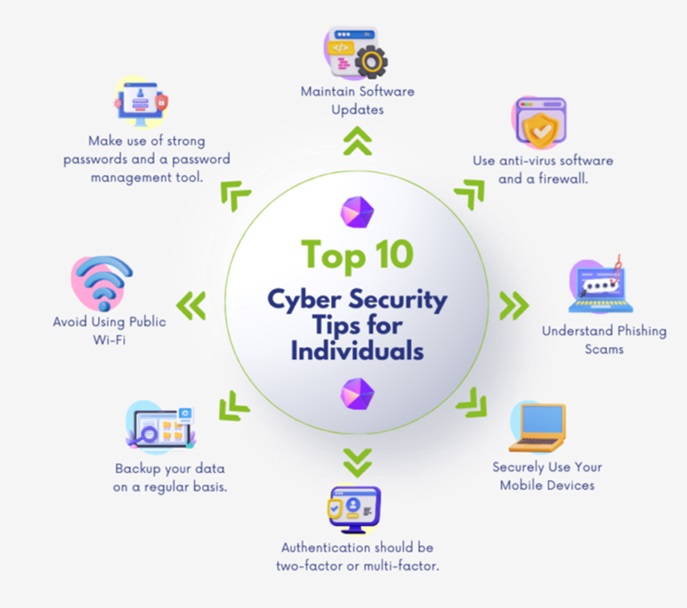
How to Protect Yourself Online

Protecting yourself doesn’t have to be complicated. These simple steps can go a long way in keeping you safe:

  • Think Before You Click:
    If you receive an unexpected email, text, or pop-up asking you to click a link, pause. Look closely at the sender’s details and the URL before clicking. If something feels off, trust your instincts.
  • Verify Before Sharing Information:
    Scammers often impersonate trusted organizations to gain your trust. If someone contacts you asking for sensitive information, don’t share it immediately. Instead, contact the company directly using their official contact details.
  • Use Strong, Unique Passwords:
    Weak or reused passwords are like an open door for cybercriminals. Create strong passwords with a mix of letters, numbers, and symbols. Better yet, use a password manager to generate and store them securely.
  • Check for Secure Websites:
    When shopping or banking online, look for “https” at the beginning of the web address and a padlock icon in the browser bar. These indicate the site is secure.
  • Keep Your Devices and Software Updated:
    Regular updates fix security vulnerabilities and protect your devices from the latest threats. Set your devices to update automatically so you don’t miss critical patches.
  • Avoid Public Wi-Fi for Sensitive Transactions:
    Public Wi-Fi networks are convenient but not secure. If you need to access your bank account or enter personal details, wait until you’re on a secure, private network or use a virtual private network (VPN).

Expert Insights and Practical Solutions

What to Do If You Think You’ve Been Targeted

It can be scary to realize you’ve been targeted by a scam, but acting quickly can minimize the damage:

  • Don’t Panic: Hang up the phone, close the email, or exit the website immediately.
  • Report the Incident:
    • Report phishing emails to your email provider.
    • Notify your bank if your financial information is shared.
    • File a report with organizations like the Federal Trade Commission (FTC) or your local cybersecurity agency.
  • Change Your Passwords: If you suspect your account details were compromised, update your passwords immediately. Enable multi-factor authentication (MFA) for added security.


Cybercriminals are becoming more sophisticated, and it’s crucial to stay vigilant online. Being cautious and proactive can make a significant difference in protecting yourself and your community from scams and cyber threats.
Mustafa Noorzaiy
Intel Employee & ASN IT instructor
  • Be Skeptical of Unsolicited Messages: If you receive unexpected messages—especially those requesting personal information or money—always verify the sender’s identity through a separate, trusted communication channel before responding.

    Avoid Clicking on Suspicious Links: Never click on links or download attachments from unknown or untrusted sources, as they may lead to phishing sites or install malware on your device.

    Enable Two-Factor Authentication (2FA): Strengthen your security by enabling two-factor authentication on all critical accounts, making it harder for hackers to gain unauthorized access.

    Keep Software Updated: Regularly update your applications and operating systems to patch security vulnerabilities and protect against the latest cyber threats.

    Educate Yourself and Others: Staying informed about common scams and sharing knowledge with family and friends helps build a stronger, more cyber-aware community.


By taking these simple but effective precautions, we can collectively strengthen our online security and protect ourselves from potential cyber threats.
Mustafa Noorzaiy
Intel Employee & ASN IT instructor
  •  

Share Knowledge

The best way to fight cybercrime is to stay informed and spread awareness. Share these tips with your friends, family, and colleagues. A quick conversation could save someone from falling victim to a scam.

Final Thoughts

Online scams and cyber threats may seem overwhelming, but you don’t have to be a tech expert to stay safe. By staying vigilant and following these simple tips, you can outsmart cybercriminals and enjoy a safer online experience.

Remember: If something seems too good to be true or feels suspicious, it probably is. Stay alert, stay informed, and stay safe.