
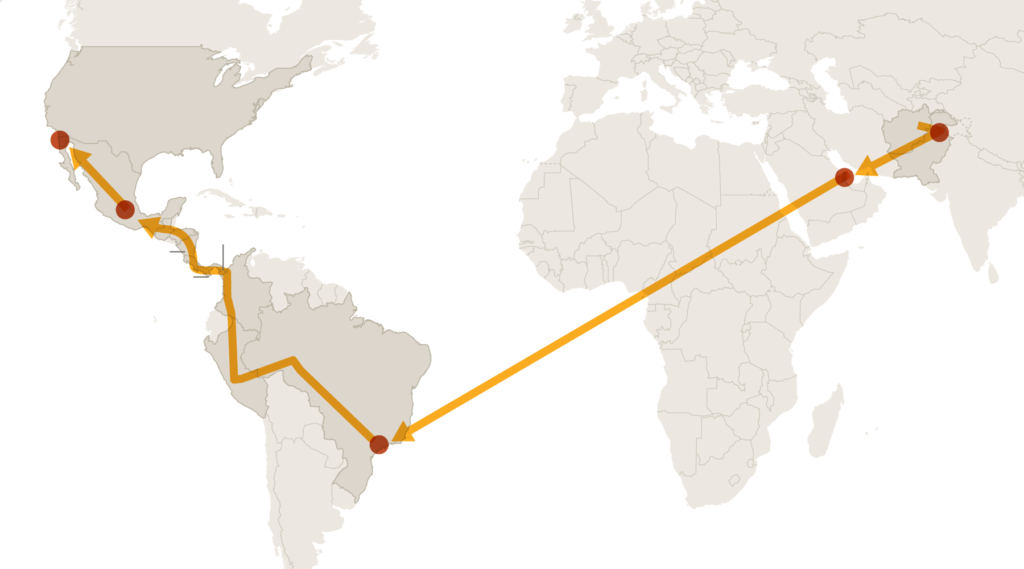
Since the fall of Afghanistan in 2021, a growing number of Afghan migrants have embarked on treacherous journeys to seek safety and a better life in the United States. For many, this journey begins in Brazil, one of the few countries offering humanitarian visas to Afghan refugees. However, the trek from Brazil to the U.S. is fraught with danger, requiring the crossing of multiple South and Central American countries, including Colombia, Panama, and Mexico. Among these, the Darien Gap stands out as one of the most treacherous stretches.
Upon arriving in Brazil, Afghan migrants face immediate challenges: language barriers, limited access to healthcare, and minimal support. This lack of support often compels them to continue their journey northward. “We feel isolated here, not knowing the language and struggling to find work,” shared an Afghan refugee in Brazil. “We have no choice but to keep moving, hoping for a better future.”
images by: The New York Times
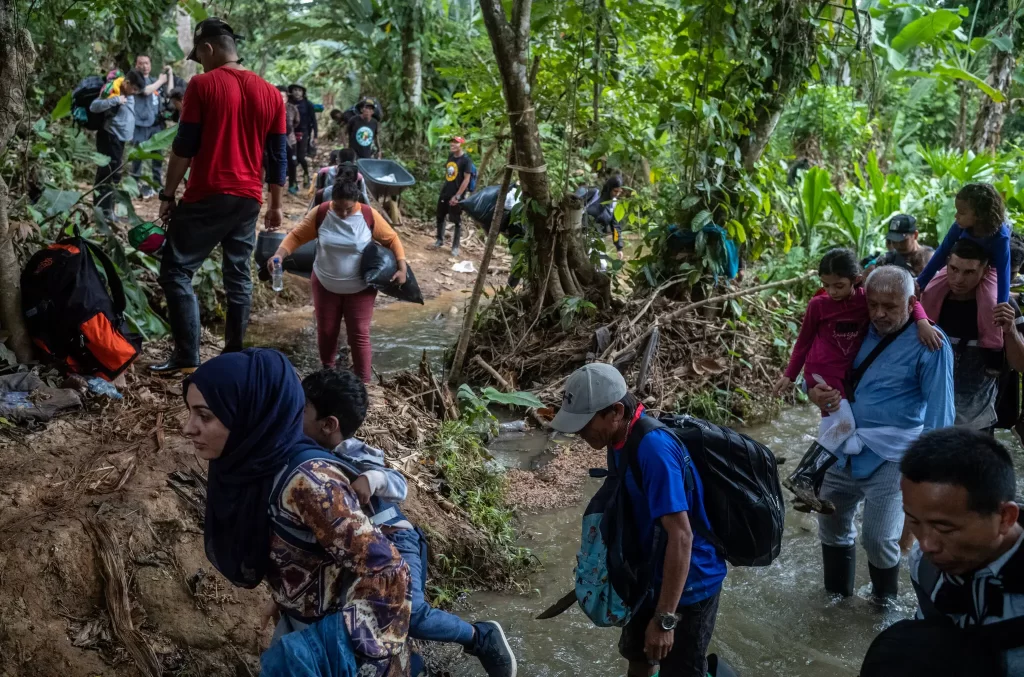
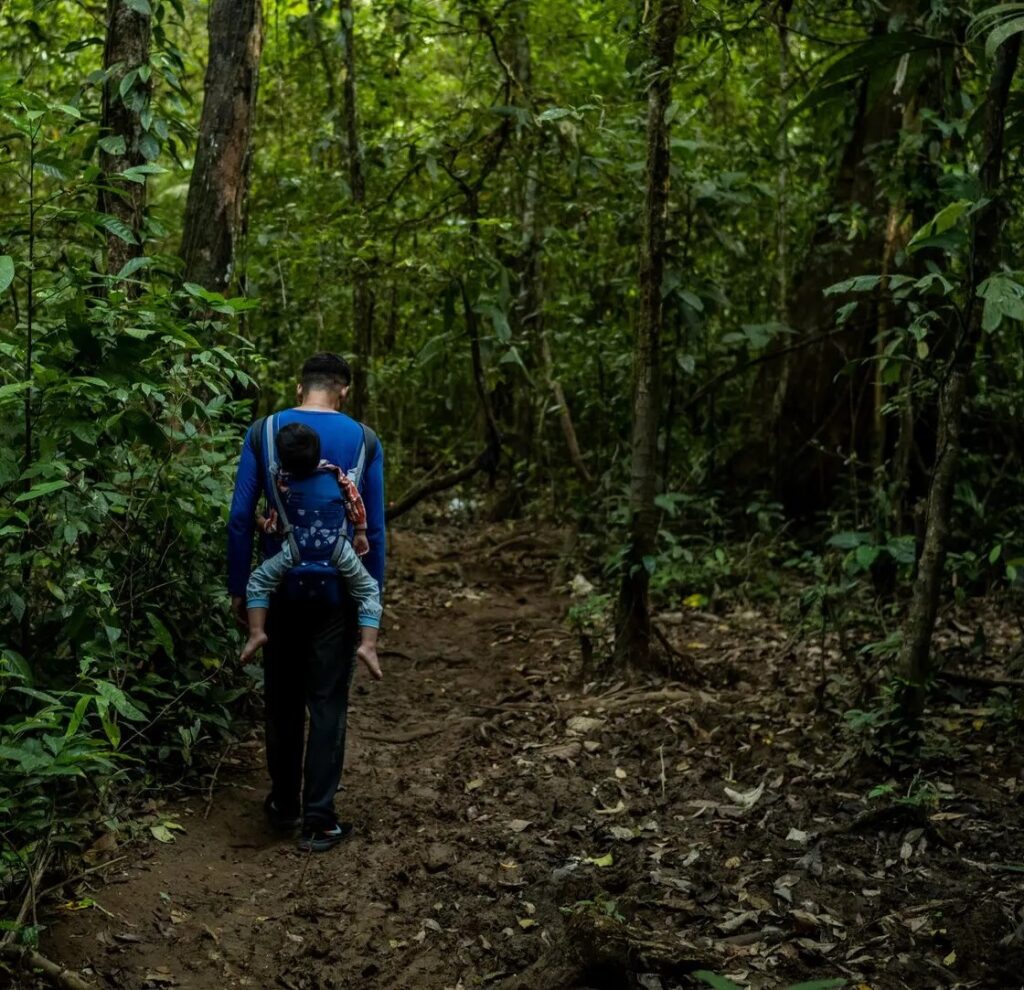
The route northward is grueling. It takes them through countries such as Peru, Ecuador, Colombia, and Panama, where they must endure long, arduous journeys on foot or by bus, often facing threats from smugglers, criminals, and corrupt officials. The most dangerous part of their journey is crossing the Darien Gap, a lawless, roadless jungle between Colombia and Panama. Here, they encounter extreme dangers, from wildlife to violent gangs and severe weather. Many report being robbed, assaulted, or abandoned by smugglers. “Crossing the Darien Gap was the hardest part of my life,” recalled one migrant. “We were constantly on edge, fearing for our lives every step of the way.”
Surviving the Darien Gap is only the beginning. Afghan migrants continue through Central American countries like Costa Rica, Nicaragua, Honduras, and Guatemala before reaching Mexico. In Mexico, they often find themselves in refugee camps or walking on foot, enduring further hardships. One individual shared, “The journey is marked by violence, crime, and exploitation. Migrants are vulnerable to assaults, extortion, and abuse. Health risks are significant, with injuries, malnutrition, and diseases affecting many along the way. The cost is exorbitant, with migrants paying smugglers and falling into debt. Despite this, we press on, driven by the hope of reaching the U.S. border, where we face lengthy asylum processes and hope to reunite with family or find safety.”
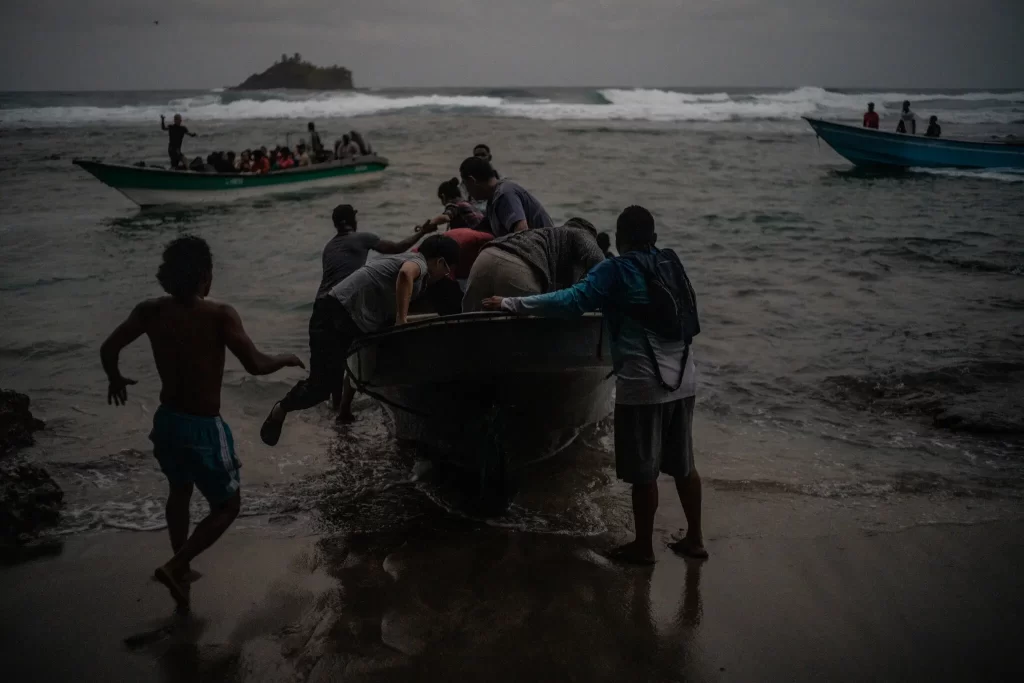
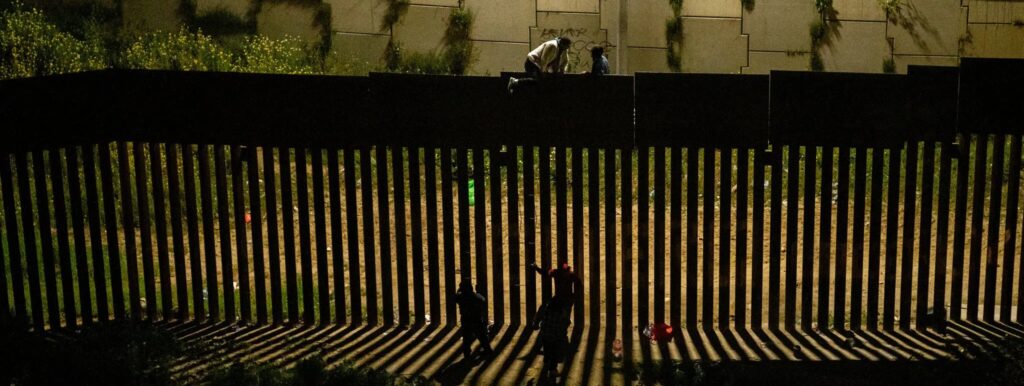
Upon reaching the U.S.-Mexico border, Afghan migrants face additional hurdles, including long waits and complex legal procedures for gaining asylum. For many, the journey does not end with crossing the border; it continues as they attempt to rebuild their lives, confronting the traumas of conflict and migration while navigating the challenges of immigration bureaucracy and starting over in an unfamiliar country.
As of 2023 and 2024, this perilous journey continues for many Afghan immigrants. Families, often with young children, press on despite the overwhelming odds, driven by the hope of a safer future. Their resilience and determination shine through, embodying the enduring human spirit’s quest for a better life. This journey is a powerful testament to their (Afghan Migrants) courage and the lengths they will go to secure a brighter future for themselves and their loved ones.
External Links: