Afghan Support Network

Navigating the Complexities of Parenting Afghan Youth in the U.S.  
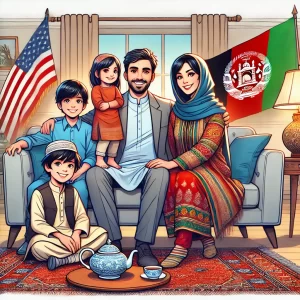
Raising children in a new cultural landscape poses unique challenges for Afghan families, who must balance preserving their heritage with embracing life in the United States. Cultural, linguistic, and generational divides are common concerns for parents, while Afghan youth navigate identity conflicts and the pressures of assimilation.

Cultural Disconnects and Family Concerns:
Parents often express concerns about maintaining Afghan traditions while supporting their children’s growth in a vastly different society. Many worry about their children being influenced by the “wrong crowd” or losing their connection to Afghan culture. At the same time, youth find themselves caught between two worlds, balancing their heritage with the expectations of their peers and American society.
One teenager described her initial struggles adapting to an American high school environment, sharing how language barriers and a co-ed system left her feeling overwhelmed and out of place. Parents have shared similar challenges in understanding their children’s new environment, with some expressing frustration at the widening cultural gap. One mother shared, “It’s hard to connect when your child feels embarrassed by their culture, and you don’t know how to bridge that gap.”
When I first started school here, I felt shy and out of place. The co-ed environment and language barriers were overwhelming. Over time, with support from my family and teachers, I found my confidence, but the process was tough.
Basira Aslami,
High School student
My brother distanced himself from our Afghan community, preferring to spend time with classmates from other cultures. He felt they were more honest with him, but it created conflicts at home as we struggled to understand each other’s perspectives.
Hezbullah Khwaja
Elder Brother& Community Member

Generational divides often exacerbate these challenges. Youth express a desire for independence and understanding, while parents fear losing control or influence. While parents also worry about their children being influenced by the “wrong crowd.” 

“ My daughter had a friend who was a negative influence. We gently guided her away from that friendship by spending more time together and discussing what healthy relationships look like. It’s all about communication and connection.”
Sister Horiya,
Mother & Community Member

Bridging Generational Gaps

The generational divide is a recurring theme, as families struggle to adapt to different cultural expectations. Pashtana, a mother of four, emphasized the importance of creating a supportive family environment: “We keep our traditions alive at home while respecting the American culture. I’ve found that maintaining open communication and being a role model for my children has helped them stay connected to their roots.” On the other hand, youth like experienment and learn themselves and they try to encourage their parents to trust their children’s ability to navigate the new culture much better. 


Parents need to let their kids explore and learn. I’ve had opportunities here that I never could have imagined in Afghanistan, and it’s important to balance both worlds.
Sedaqat Faqiri
High School student

Expert Insights and Practical Solutions

Rania Fawzy Abuelzain, a Counselor (MS, QMHP-R, ABA, CPC) and parenting coach specializing in immigrant family dynamics, offers valuable insights to the challenges faced by Afghan families in the U.S. With her extensive experience, she highlights the delicate balancing act families face at the intersection of cultural identity, faith, and societal pressures. She recommends fostering mutual understanding, sharing personal stories to connect with children, and accessing culturally sensitive resources to support the family’s journey. 

Parental Strategies
Parents can bridge cultural and generational gaps by prioritizing connection over control. Open communication, flexibility with boundaries, and fostering cultural pride are key to building supportive relationships that empower children to embrace their dual identities.
Rania Fawzy Abuelzain
Counselor (MS, QMHP-R, ABA, CPC)
Youth Support
For Afghan youth, balancing heritage with societal expectations can be overwhelming. Developing self-awareness, cultivating cultural pride, and fostering open dialogue within families are essential steps toward building confidence and healthier relationships in a multicultural society.
Rania Fawzy Abuelzain
Counselor (MS, QMHP-R, ABA, CPC)

Through her expertise, Rania equips families with strategies to navigate these challenges and create stronger, more resilient connections in their new environment.

Addressing the Needs of Afghan Families: ASN’s Holistic Approach

The Afghan Support Network (ASN) recognizes the complex challenges Afghan families face and has developed a range of holistic programs to empower both parents and youth. These initiatives aim to strengthen family connections and foster a sense of belonging in a new cultural context.
Parenting Workshops led by Rania Fawzy are a cornerstone of ASN’s efforts. These sessions, led by culturally sensitive experts, equip parents with practical tools to improve communication, bridge generational divides, and embrace their children’s dual identities. Families have found these workshops invaluable for navigating topics such as peer influences, technology use, and youth mental health.

The workshops emphasize the importance of open dialogue and cultural pride. Parents are encouraged to share their own stories and listen actively to their children’s experiences. By fostering mutual understanding, families can create an environment where youth feel supported and respected, reducing the risk of disconnection or conflict.

For youth, ASN is launching Youth Mentorship Programs and counseling sessions designed to help them navigate identity struggles, build confidence, and develop leadership skills in 2025. These programs provide safe spaces for young people to share their experiences, connect with role models, and celebrate their cultural heritage while thriving in American society.

As one workshop participant shared, “I’ve learned how to talk to my children without forcing my opinions on them. It’s about listening and guiding them, not controlling them.” This approach is transforming how families connect and grow together.

ASN’s holistic offerings include career guidance, cultural activities, and wellness programs to strengthen family bonds while empowering youth. ASN’s leadership added that, Our goal is to provide families with the resources they need to thrive in this new environment

Building a Stronger Community 

To support Afghan families in navigating these challenges, ASN is committed to fostering understanding and collaboration through its programs. Families are encouraged to join parenting workshops, youth mentorship sessions, and wellness activities to create stronger, more resilient communities.


Experts emphasize that collective effort is vital to overcoming these challenges. Communities grow stronger when families feel supported and have access to resources that foster their resilience.

Together, these efforts empower Afghan families to embrace their dual identities and build a brighter, more unified future in Oregon.